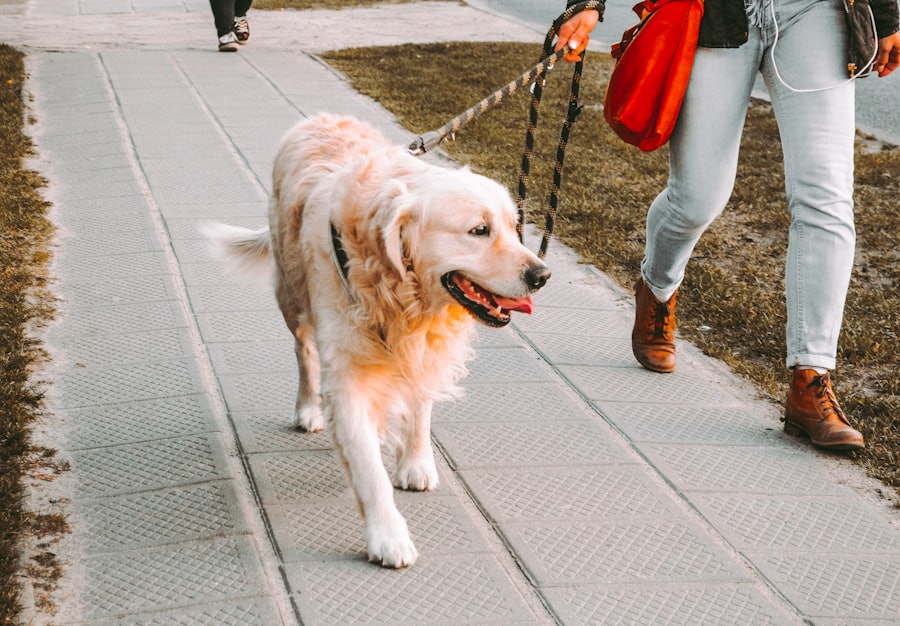
How to measure your pet for a collar or harness
Most returns in pet accessories are sizing returns, and almost all of them are
avoidable with a tape measure and two minutes.
For a collar
Run a soft tape around the base of the neck, where the collar will actually
sit — lower than you'd think, just above the shoulders. Keep it snug but not
compressing the fur. Now add slack: two fingers for a
medium or large dog, one finger for a cat or a toy breed.
That final number is your collar size.
For a harness
You need two measurements: the neck as above, and the girth — the widest part
of the chest, just behind the front legs. Harness sizing is driven by girth,
so if the two measurements point at different sizes, go with girth and adjust
the neck straps.
If you're between sizes
Size up, then tighten. A collar that's slightly large can be adjusted down; one
that's slightly small is simply the wrong collar. For a growing puppy, size up
and expect to replace it — puppies typically outgrow their first collar within
a few months.
Send us your measurement in the chat before ordering and
we'll confirm the size against the actual item.
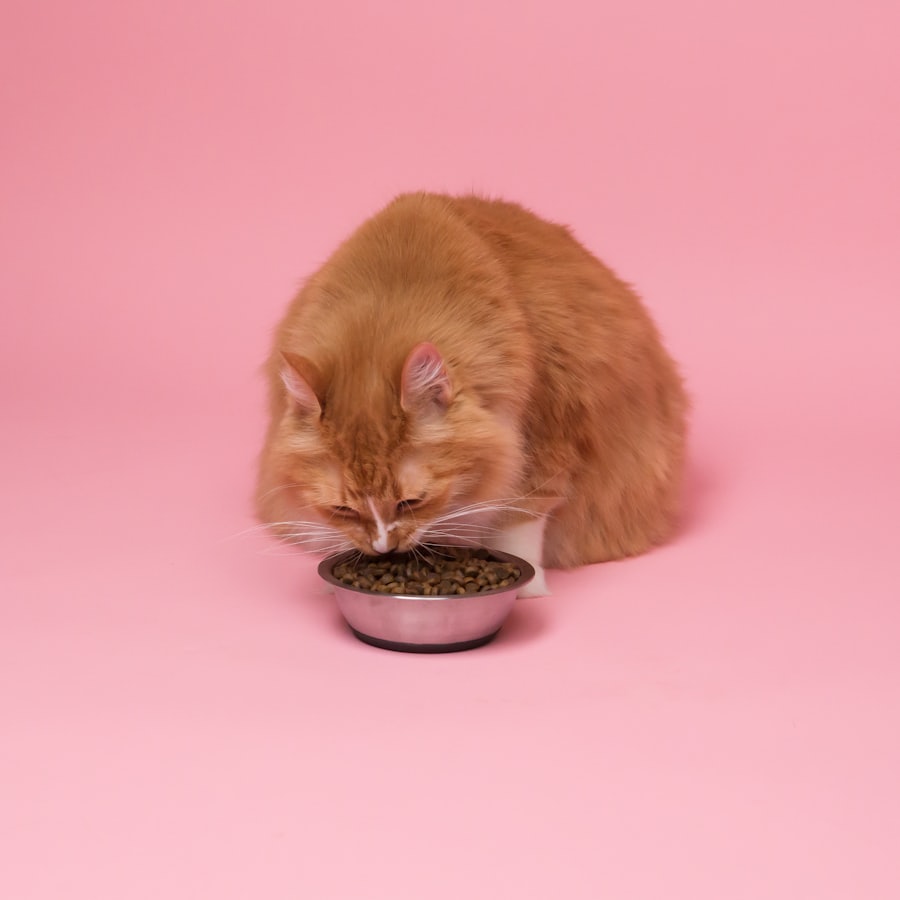
Choosing a bowl your pet will actually use
Bowls look like the simplest thing you can buy for an animal, which is why
people get them wrong.
Cats and whisker fatigue
Cats have whiskers that are genuinely sensitive, and a deep narrow bowl presses
on them at every mouthful. Some cats respond by pulling food out onto the floor
and eating it there — which owners read as fussiness. A wide, shallow
bowl that lets the whiskers clear the sides usually solves it
overnight.
Flat-faced breeds
Pugs, Shih Tzus, Persians and other flat-faced animals struggle to reach the
bottom of a steep bowl. They do better with shallow, wide, slightly tilted
bowls.
Material
Stainless steel and glazed ceramic are both easy to sterilise and don't hold
odours. Plastic scratches, and those scratches harbour bacteria — it's a common
contributor to feline chin acne. Ceramic is heavier, which helps with pets that
push their bowl around the floor; steel survives being dropped.
Height
For a large or senior dog, raising the bowl so the rim sits around chest height
makes eating easier on the neck and joints. For small dogs and cats, floor
level is fine.
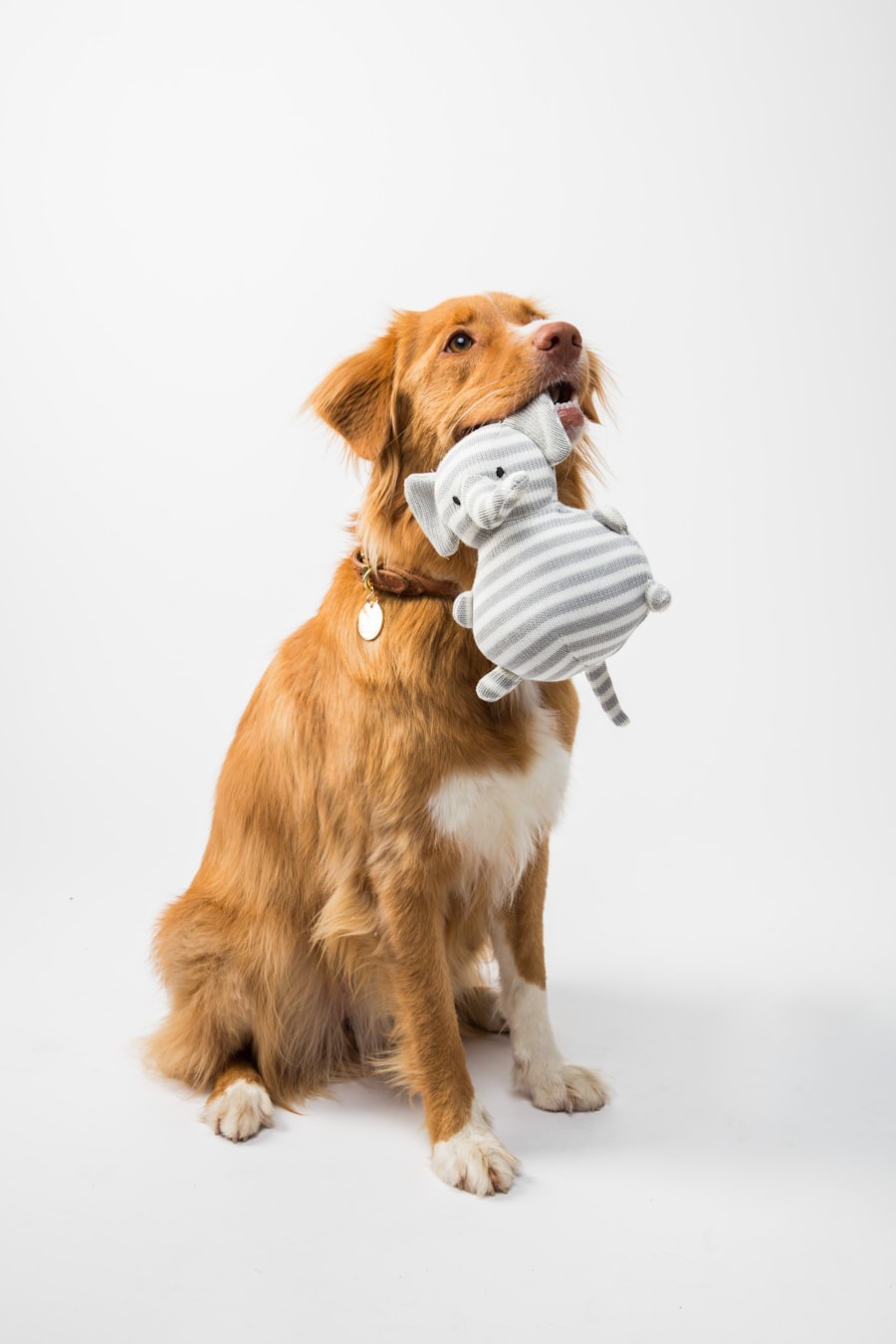
Toys that survive a heavy chewer — and ones that shouldn't
The right toy depends far more on how your dog plays than on the breed.
Match the toy to the chewer
Gentle players do fine with plush and soft rubber. Destroyers —
dogs that reduce a toy to pieces within minutes — need solid natural rubber, and
supervision regardless. The danger isn't the toy failing; it's the swallowed
fragment afterwards.
The two-finger rule
Any toy small enough to sit entirely inside your dog's mouth is a choking risk.
If you can't get two fingers around it while it's in their mouth, it's too
small for that dog.
Things to retire early
Throw out squeaky toys once the squeaker is exposed, rope toys once they start
shedding long strands, and any ball that has been punctured. Swallowed rope
fibres are a common cause of intestinal obstruction, and that is emergency
surgery, not a wait-and-see.
Rotate rather than accumulate
Four toys rotated weekly hold attention far better than twelve left permanently
on the floor. It costs less, too.
If you think your pet has swallowed part of a toy, call a
vet the same day — don't wait for symptoms.
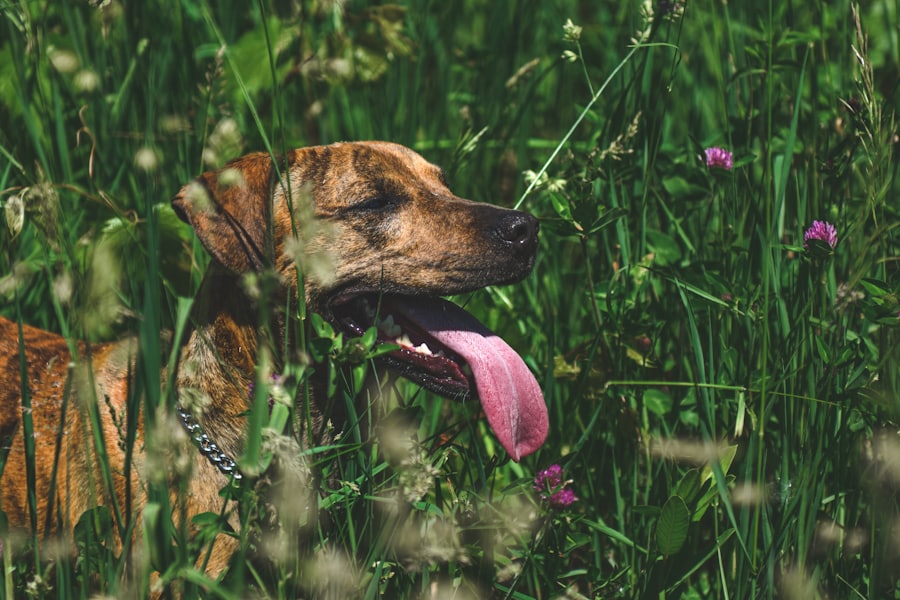
Getting a dog or cat through an Indian summer
Heat is the single biggest seasonal risk to pets across most of India, and it
builds faster than owners expect.
Walk times
Press the back of your hand to the pavement and hold it for seven seconds. If
you can't, your dog can't walk on it — paw pads burn on hot tarmac well before
the air feels dangerous. Shift walks to early morning and after sunset through
the hot months.
Water
More bowls than you think you need, in more rooms, refilled rather than
topped up. Cats in particular drink less when water sits warm and stale all day.
Cooling that works
Wet a towel and lay it somewhere they can choose to lie on — never wrap an
animal in it. Damp their paws and ears rather than dousing the whole body.
Airflow matters more than ice.
Signs of heatstroke
Heavy relentless panting, drooling more than usual, bright red gums, wobbliness
or vomiting. Move them somewhere cool, offer water, wet the paws and ears, and
get to a vet immediately. Heatstroke kills quickly and it is
not something to manage at home.
Flat-faced breeds, senior pets and overweight animals
overheat considerably faster. Be conservative with all three.
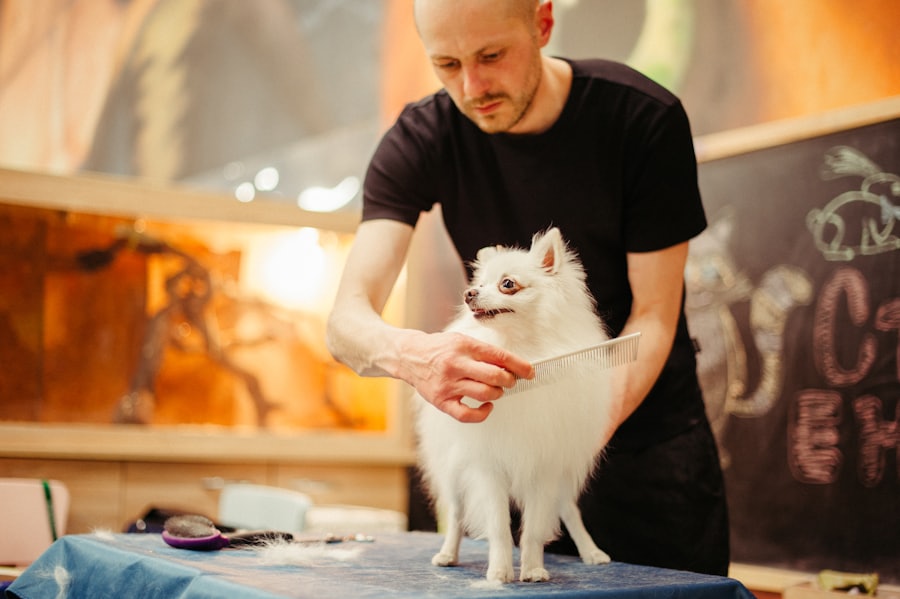
Home grooming without a fight
Most grooming problems are handling problems. The tools are the easy part.
Brushing
Short daily sessions beat a weekly ordeal. A slicker brush suits most
double-coated dogs; a rubber curry brush works better on short flat coats. For
long-haired cats, work in small sections and stop before they've had enough —
ending on a good note is what makes the next session possible.
Nails
Trim only the tip, taking a little and often. On pale nails the pink quick is
visible and you stay well clear of it; on dark nails you can't see it, so take
very small slivers and stop when the cut surface starts to look chalky. If you
do catch the quick, it bleeds a lot and hurts — styptic powder stops it.
Bathing
Far less often than people assume. Over-bathing strips coat oils and causes the
dry itchy skin owners then try to bathe away. Most dogs need a bath every few
weeks at most; most cats never need one.
Ears and eyes
Wipe the visible part of the ear with a damp cotton pad. Never put a cotton bud
into the ear canal. Persistent head-shaking, odour or discharge is a vet visit,
not a cleaning problem.